
Home Generator Frequently Asked Questions
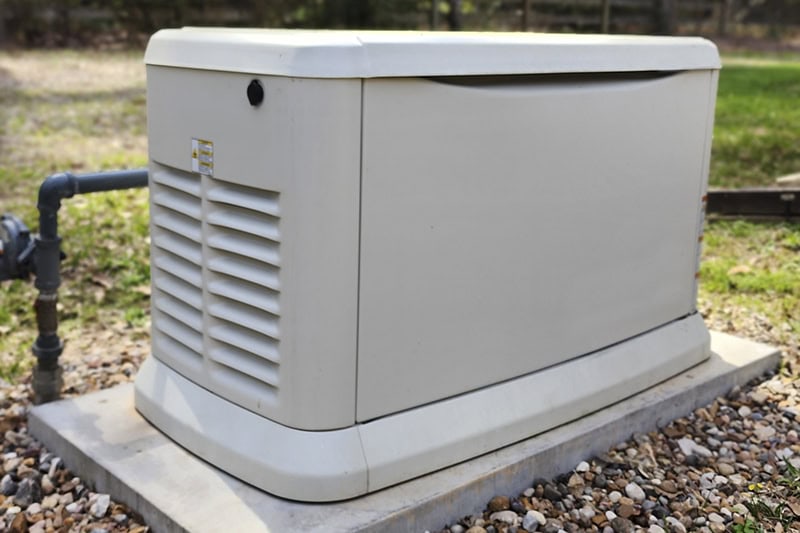
When the power goes out in Dallas, TX, a whole-home generator can be a lifeline—keeping the lights on, the fridge running, and essential systems like heating or medical equipment operating without interruption.
But investing in a whole-home generator is a big decision, and it’s natural to have questions. From cost and fuel types to runtime and maintenance, Generator Authority has the answers to some of the most common concerns homeowners have about whole-home generators.
Generator FAQs: Table of Contents
- What Exactly Is a Whole-Home Generator?
- How Much Does a Whole-Home Generator Cost?
- What Kind of Fuel Do Whole-Home Generators Use?
- How Long Can a Whole-Home Generator Run?
- Can a Generator Really Power My Entire House?
- How Loud Are Standby Generators?
- Do They Require a Lot of Maintenance?
- Will It Turn on Automatically During an Outage?
- Is a Permit or Inspection Required to Install a Generator?
- Is a Whole-Home Generator Worth It?
What Exactly Is a Whole-Home Generator?
A whole-home generator, sometimes called a standby generator, is a permanently installed backup power system connected directly to your Dallas, TX, home’s electrical panel. Unlike portable generators, whole-home models automatically turn on within seconds of a power outage and can power your entire house—or selected circuits—depending on the size and setup.
These generators are usually powered by natural gas or propane and are designed to run for extended periods, making them ideal for homes in areas with frequent or prolonged outages.
How Much Does a Whole-Home Generator Cost?
The cost of a whole-home generator can vary widely depending on the size of your home, your power needs, and the type of fuel you choose.
According to HomeAdvisor, the average can range between $7,000 and $15,000. That includes the generator itself, installation, and necessary permits or electrical work.
Here’s a rough breakdown:
- Smaller homes needing backup for essential circuits might get by with a 10–14 kW system starting around $6,000–$8,000 installed.
- Larger homes or those looking for full-house coverage typically require a 20–26 kW generator, which can run $10,000–$15,000 or more installed.
Keep in mind that while this is a significant upfront investment, many homeowners see it as protection against costly disruptions, spoiled food, frozen pipes, or hotel stays during long outages.
What Kind of Fuel Do Whole-Home Generators Use?
Most whole-home generators run on either natural gas or liquid propane. Some can be configured to use diesel, though that’s more common in rural or commercial settings.
Natural gas is ideal if your Dallas, TX, home is already connected to a gas line—it provides a continuous fuel supply, so there’s no need to refuel during an extended outage. Propane is an excellent alternative for homes without natural gas service, though you’ll need a storage tank onsite and may need to monitor fuel levels during long outages.
The choice between fuel types usually depends on availability, cost, and personal preference. Both natural gas and propane are clean-burning, efficient options.
How Long Can a Whole-Home Generator Run?
Runtime depends largely on the generator’s fuel source and the duration of the power outage. A natural gas-powered generator can run indefinitely as long as the gas supply isn’t interrupted. This makes it ideal for extended outages due to storms, ice, or grid issues.
Propane-powered generators, on the other hand, are limited by the size of the propane tank. A 500-gallon tank can typically power a whole-home generator for 5–10 days at moderate load, depending on usage. Many homeowners choose to install larger tanks or make arrangements for rapid propane delivery during emergencies.
Routine maintenance (such as oil and filter changes) is also a factor in long runtimes, especially during multi-day outages.
Can a Generator Really Power My Entire House?
Yes, depending on the size of the generator and the demands of your household. A properly sized whole-home generator can power everything from your HVAC system and refrigerator to lights, outlets, sump pumps, and even electric ranges.
Your installer will perform a load analysis to determine how much power your home needs and recommend a generator that can handle it.
In some cases, Dallas, TX, homeowners opt for a smaller generator with a transfer switch that powers only essential circuits, such as the furnace, fridge, and a few lights. This can be a more cost-effective solution, especially for smaller homes or budget-conscious buyers.
How Loud Are Standby Generators?
Modern standby generators are designed to be much quieter than their portable cousins. Most run at 60–70 decibels—about the same as a central air conditioner. Generators are typically installed outside the home, and sound-dampening enclosures help minimize noise.
If you’re concerned about noise, placement matters. A professional installer can help position the generator away from bedrooms, living areas, or neighboring homes to reduce the impact.
Do Generators Require a Lot of Maintenance?
Like any engine-powered appliance, whole-home generators require regular maintenance to stay in top shape. This usually includes:
- Oil and filter changes
- Air filter replacement
- Spark plug inspection
- Battery checks
Most manufacturers recommend annual service, though some homeowners opt for twice-a-year maintenance—especially in areas prone to frequent outages.
Also, most generators perform weekly or biweekly self-tests to ensure everything is operating correctly. These self-tests are usually automatic and take only a few minutes.
Will a Generator Turn on Automatically During an Outage?
Yes. One of the major advantages of a whole-home generator is its automatic transfer switch. When the power goes out, the switch detects the loss of electricity and starts the generator within seconds, usually under 10 seconds. Once utility power is restored, the generator shuts down and transfers the load back to the main power supply.
You don’t need to be home or press any buttons. It’s peace of mind that your Dallas, TX, home will stay protected, even if you’re away during an outage.
Is a Permit or Inspection Required to Install a Generator?
In most areas, yes. Installing a whole-home generator involves electrical work, gas connections, and adherence to local codes and safety standards. Your installer should handle all necessary permits and arrange for inspections as part of the installation process.
Choosing a licensed, experienced contractor is key to ensuring a safe and code-compliant setup. Avoid cutting corners—it’s not worth the risk when dealing with power and fuel systems.
Is a Whole-Home Generator Worth It?
If your area experiences frequent outages—or if you rely on electricity for medical equipment, well pumps, or work-from-home setups—a whole-home generator can be a valuable investment. It provides comfort, security, and continuity when the grid goes down.
Even if outages are rare, the peace of mind that comes with knowing your home is protected can make it worth the cost for many Dallas, TX, homeowners.
Contact Generator Authority for a Generator Quote
If you’re considering one, start by consulting a professional to assess your home’s needs, explore fuel options, and get a clear picture of the investment. With the right setup and regular maintenance, a whole-home generator can be a long-term solution that keeps your family safe and comfortable, no matter what the weather—or the grid—throws your way.
Call Generator Authority at 817-984-3600 to learn more today or request service online to schedule an on-site assessment and free installation quote.