
Maintaining Your Whole-Home Generator for Reliable Performance
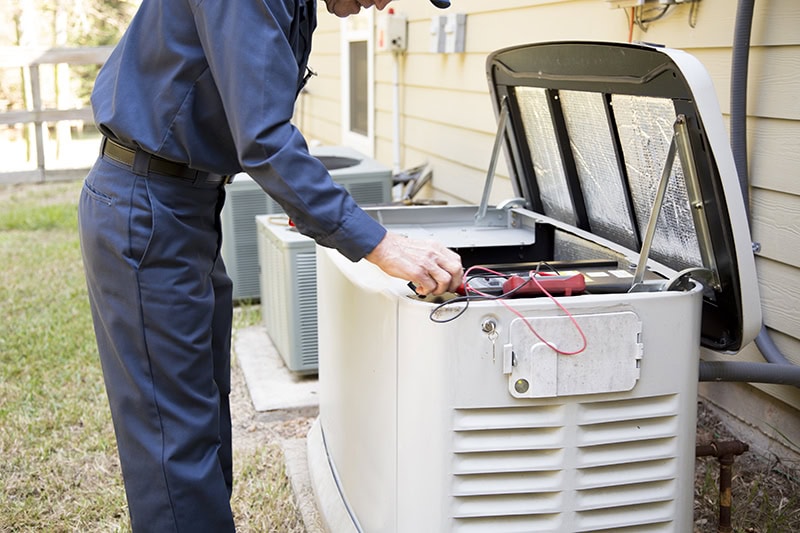
Using a neglected generator after the power has already gone out is like choosing to drive an old beater when you’re already late—unpredictable and full of regret.
That’s why regular maintenance isn’t just a good idea—it’s the difference between keeping your home powered and playing an involuntary game of flashlight tag.
In this blog, Generator Authority will walk you through a simple maintenance checklist to keep your whole-home generator in peak condition. Because the only surprise you want during an outage in Southlake is finding an extra snack in the pantry—not discovering your generator took an unscheduled vacation.
Why Standby Generator Maintenance Matters
A whole-home generator is a lifesaver during power outages, ensuring your household stays powered when the grid goes down. However, regular maintenance is essential to keep it running efficiently and reliably.
Neglecting generator upkeep can lead to performance issues, unexpected failures, and costly repairs.
Regular maintenance helps to:
- Extend the lifespan of the generator.
- Ensure optimal performance during emergencies.
- Prevent costly repairs due to neglected wear and tear.
- Improve fuel efficiency and reduce emissions.
- Identify and address minor issues before they turn into major failures.
By following a consistent maintenance schedule, you can have peace of mind knowing your standby generator is always ready to provide backup power when required.
Whole-Home Generator Maintenance Checklist
You’ve upgraded to a standby generator to ensure your lights and comforts stay on when the power goes out. Now, it is time to learn how to take care of this machine so it remains reliable.
1. Conduct Regular Inspections
Performing a visual inspection of your generator every few weeks can help you catch potential issues early.
Look for:
- Loose or corroded connections.
- Signs of fuel or oil leaks.
- Debris accumulation around the unit.
- Frayed wires or damaged components.
If you notice anything unusual, address it immediately or contact a professional from Generator Authority for further evaluation.
2. Check the Oil Level and Change It Regularly
Just like a car, your generator relies on clean oil for smooth operation. Check the oil level at least once a month and before and after extended use. Refer to your generator’s manual for specific oil change intervals, but as a general rule:
- Change the oil after every 50-200 hours of use (depending on the model and manufacturer guidelines).
- Use high-quality oil suitable for your generator’s engine.
- Replace the oil filter during every oil change.
3. Monitor and Replace Air Filters
A clogged air filter can restrict airflow and cause the generator to work harder, reducing efficiency and performance. To prevent this, inspect the air filter monthly for dirt and debris and clean or replace it every 100-200 hours of use or as recommended by the manufacturer.
4. Inspect and Replace Spark Plugs
Spark plugs play a crucial role in engine ignition. Dirty or worn-out spark plugs can cause hard starts and poor performance. Check your generator’s spark plugs every 100 hours of operation and replace them as needed.
5. Test the Battery
A weak or dead battery can prevent your generator from starting when needed. To ensure reliability:
- Inspect the battery terminals for corrosion and clean them if necessary.
- Check the voltage regularly with a multimeter.
- Replace the battery every 2-3 years or as the manufacturer recommends.
6. Keep the Fuel System in Check
Fuel degradation can lead to engine problems, so it’s important to:
- Use fresh fuel and avoid storing it for long periods.
- Add a fuel stabilizer if the generator will sit unused for an extended time.
- Inspect the fuel lines for cracks or leaks.
- Drain old fuel from the system if the generator has been inactive for several months.
7. Exercise Your Standby Generator
Running your generator periodically helps keep it in good working condition. Most manufacturers recommend running the generator under load for about 30 minutes monthly. This helps to lubricate the engine components and prevent fuel from stagnating in the system. You can also identify performance issues before a true emergency arises.
8. Check the Coolant Level
Maintaining the correct coolant level is essential for liquid-cooled generators to prevent overheating. Inspect the coolant reservoir regularly and top it off if necessary, using the type of coolant recommended by the manufacturer.
9. Ensure Proper Ventilation and Cleanliness
Whole-home generators require adequate airflow to operate safely and efficiently. Make sure there is no dirt, grime, leaves, or other debris blocking the intake and exhaust vents.
10. Schedule Professional Maintenance
While DIY maintenance is important, scheduling annual professional servicing can help ensure your generator remains in top condition.
A qualified technician from Generator Authority will:
- Perform a thorough inspection.
- Conduct load testing.
- Check voltage output and frequency stability.
- Address any hidden issues before they become serious problems.
Maintain Your Standby Generator With the Pros
Maintaining your whole-home generator is essential for ensuring reliable performance during power outages. By following a consistent maintenance routine, checking vital components, and scheduling professional inspections, you can extend the lifespan of your generator and avoid unexpected failures.
Don’t wait until the next storm or blackout—start implementing these maintenance tips today to keep your backup power system ready when you need it most.
For professional advice or an annual generator maintenance visit, contact Generator Authority at 682-332-0494 or request service online.