
Safe Storage Tips for Your Portable Generator
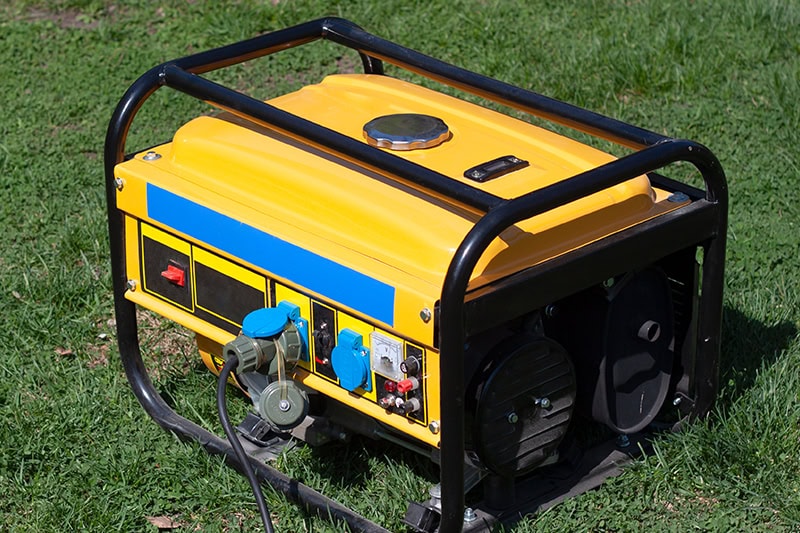
When the power goes out in Dallas, TX, your house suddenly turns into a scene from a horror movie—dark halls, eerie silence, and the slow realization that your freezer full of ice cream is in serious danger. But fear not! Portable generators are here to save the day (and your ice cream).
Portable generators are essential tools for providing temporary power during outages when used safely. They can also power outdoor activities or even job sites. When a traditional outlet is too far away or no longer receiving power due to an outage, a portable generator is there to help.
When these units are not in use, it is crucial to store them properly so they remain in good working condition and are ready to go when needed. Improper storage can lead to various issues, including difficulty starting, reduced efficiency, and even permanent damage to the generator.
Generator Authority has created this guide to assist all portable generator users in properly storing unused generators and keeping their homes safe.
How to Store Your Portable Generator
Whether you’re prepping for the next storm or want to be ready for an overwhelmed power grid during the next extreme weather event, a portable generator will be your trusted sidekick. This guide will help you follow safe storage practices for your portable generator so it stays in peak condition year-round.
1. Clean Your Generator Before Storage
Before storing your generator, it’s important to clean it thoroughly. Debris, like dirt and grime, accumulates on the exterior of the generator and in the engine, leading to potential problems down the road.
- Exterior Cleaning: Wipe down the generator’s exterior with a damp cloth. A mild detergent can be applied if there’s built-up dirt or grease. Be careful not to get water into the electrical components or the exhaust outlet.
- Engine Cleaning: To clean the engine, consider using a compressed air blower to remove dust and debris from the cooling fins, air filter, and other engine parts. This prevents blockages that could affect performance when you next use the generator.
2. Drain or Treat the Fuel
One of the most critical steps in storing a portable generator is addressing the fuel in the tank. Fuel can go stale, causing varnish and gum to form and clog the fuel system.
- Draining the Fuel: If you plan to store the generator for several months, it’s often best to drain the fuel completely. You can do this by running the generator until it uses up all the fuel in the tank. Alternatively, you can use a siphon pump to remove the fuel. Be sure to dispose of old fuel properly, according to local regulations.
- Using Fuel Stabilizer: If you prefer not to drain the fuel, you can add a fuel stabilizer to the tank. A fuel stabilizer can extend the life of the gasoline and prevent it from degrading. After adding the stabilizer, run the generator for a few minutes so the treated fuel circulates through the system.
3. Change the Oil
Old or contaminated oil can damage an engine if left sitting for an extended period. Before storing your generator, change the oil to protect the engine’s internal components.
- Drain the Old Oil: With the engine slightly warm, drain the old oil into an appropriate container. Recycle or dispose of the oil according to your local guidelines.
- Refill With Fresh Oil: After draining, refill the generator with fresh, clean oil. The recommended type and amount of oil are in your generator’s user manual.
4. Remove or Disconnect the Battery
If your portable generator has a battery, it’s important to either disconnect it or remove it entirely during storage.
- Disconnecting the Battery: For short-term storage, simply disconnecting the battery cables can prevent the battery from draining.
- Removing the Battery: Remove the battery and store it in a cool, dry place for long-term storage. It’s also a good idea to periodically charge the battery to maintain its lifespan. Use a trickle charger to keep it in optimal condition.
5. Store in a Dry, Cool Location
Where you store your generator is just as important as how you prepare it. The ideal storage location should be dry, cool, and well-ventilated. Excessive moisture, heat, or cold can damage the generator’s components over time.
- Avoid Humidity: Store your generator in a location where it won’t be exposed to high humidity. This can cause rust and corrosion, particularly on metal parts and electrical connections.
- Temperature Control: If possible, store the generator in a location where the temperature remains relatively stable. Avoid areas where the generator will be exposed to extreme temperatures, such as an unheated garage or shed in winter or a hot attic in summer.
6. Cover the Generator
Use a cover specifically designed for portable generators to protect your generator from dust, dirt, and moisture. These covers are made from durable, breathable materials that shield your generator from environmental factors while preventing condensation from building up underneath.
- Choosing the Right Cover: The cover should fit snugly over your generator without being too tight. A cover that’s too tight can trap moisture, leading to rust and corrosion. Avoid using plastic or non-breathable materials, as these can promote condensation.
7. Perform Regular Maintenance Checks
Periodic maintenance checks are a good idea to ensure your stored generator remains in good condition and issues are identified and addressed before they become major problems.
- Monthly Inspection: Once a month, inspect the stored generator for any signs of leaks, corrosion, or other damage. Check the oil level and battery (if applicable) and verify all components are clean and dry.
- Test Run: Every few months, consider running the generator for a few minutes to keep the engine parts lubricated and the fuel system in good working order. This is especially important if you’ve opted to store the generator with fuel in the tank.
8. Check and Replace Air Filters
Air filters are vital for keeping debris out of the engine. Before storing your generator, check the air filter and replace it if necessary (or clean it if it uses a reusable filter).
9. Prevent Rust and Corrosion
Rust and corrosion can severely damage a generator, particularly when unused for long periods. Take the following steps to reduce your risk of rust or corrosion while storing your generator:
- Apply Anti-Rust Spray: To prevent rust from forming, apply a light coating of anti-rust spray or a similar product to metal parts, particularly those that are exposed.
- Store Off the Ground: If possible, store the generator on a platform or shelf rather than directly on the ground. This reduces the risk of moisture seeping into the unit, particularly if the storage area is prone to dampness.
Call Generator Authority for Generator Service
Proper storage of your portable generator during off-seasons is crucial for maintaining its longevity and performance. By following these guidelines—cleaning the unit, addressing fuel, changing the oil, storing it in the right location, and performing regular maintenance checks—you can ensure your generator is ready to provide reliable power whenever needed.
Remember, a well-maintained generator is more reliable and safer to use, reducing the risk of accidents or malfunctions. This is why Generator Authority made this guide: to help our customers in Dallas, TX, and other areas prone to outages or job sites needing a portable generator.
Properly storing your generator now will save you time, money, and hassle in the future. If you have questions regarding the storage or operation of a portable generator, call our team at 817-984-3600. If you are ready to upgrade from a portable generator to a standby or permanent generator, request service online.